Introduction
When it pertains to improving outdoor spaces, few materials rival the adaptability and aesthetic charm of interlacing pavers. Whether you're wanting to develop a sensational outdoor patio, a streamlined driveway, or a welcoming pathway, these durable, interlocking stones use a huge selection of choices. Yet with a lot of kinds readily available on the market today, just how do you select the appropriate one? In this article, "Exploring Different Sorts Of Interlocking Pavers: Which One is Right for You?", we'll dive deep into the world of interlacing pavers, reviewing their numerous types, benefits, and installment approaches while ensuring you have all the information needed to make an educated decision.
What are Interlocking Pavers?
Interlocking pavers are specific items of hardscape material that mesh in a particular manner-- generally without the demand for mortar. They are crafted from numerous products such as concrete, block, and natural rock.
Why Choose Interlocking Pavers?
- Durability: Their robust construction makes them suitable for high-traffic areas. Aesthetic Appeal: They are available in plenty of designs and colors. Ease of Installation: Numerous home owners go with DIY paving installment many thanks to their simple nature. Versatility: Perfect for outdoor patios, driveways, walkways, and swimming pool decks.
Benefits of Utilizing Interlocking Pavers
Cost-effective: Contrasted to typical concrete slabs. Low Maintenance: Easy cleansing often suffices. Eco-friendly Options: Some ranges permit water drainage.Types of Interlocking Pavers
As we start "Discovering Various Sorts Of Interlocking Pavers: Which One is Right for You?", let's categorize the main kinds:
1. Concrete Interlocking Pavers
Overview
Concrete pavers are made from a mix of concrete and aggregates formed right into blocks. They are available in numerous shapes and sizes.
Advantages
- Highly customizable Cost-effective Various appearances available
Disadvantages
- Can be vulnerable to splitting gradually if not properly installed.
2. Clay Brick Pavers
Overview
Clay block pavers are made from natural clay that has been terminated in kilns up until hardened.
Advantages
- Timeless appeal Naturally resistant to fading Environmentally friendly as a result of their natural materials
Disadvantages
- Higher price contrasted to concrete options
3. Natural Rock Pavers
Overview
Natural stone pavers consist of products like granite, sedimentary rock, or slate.
Advantages
- Unique appearance; no two rocks are alike Extremely resilient and long-lasting
Disadvantages
- Often more pricey than other types
4. Absorptive Paving Stones
Overview
Permeable pavers enable water to permeate via them right into the ground below.
Advantages
- Reduces runoff Helps manage stormwater effectively
Disadvantages
- May call for even more maintenance to stop clogging
Choosing the Right Sort of Interlocking Paver for Your Project
When considering your job requirements, ask yourself:
What is your main use?
Whether it's a driveway or patio area can influence your choice significantly.
What's your budget?
Some kinds can be much more pricey than others-- knowing your budget helps narrow down alternatives quickly!
How crucial is aesthetics?
If you prefer something special or themed, choosing natural rock might match your style far better than typical concrete options.
Paving Installation Process Overview
Installing interlocking pavers entails a number of steps:
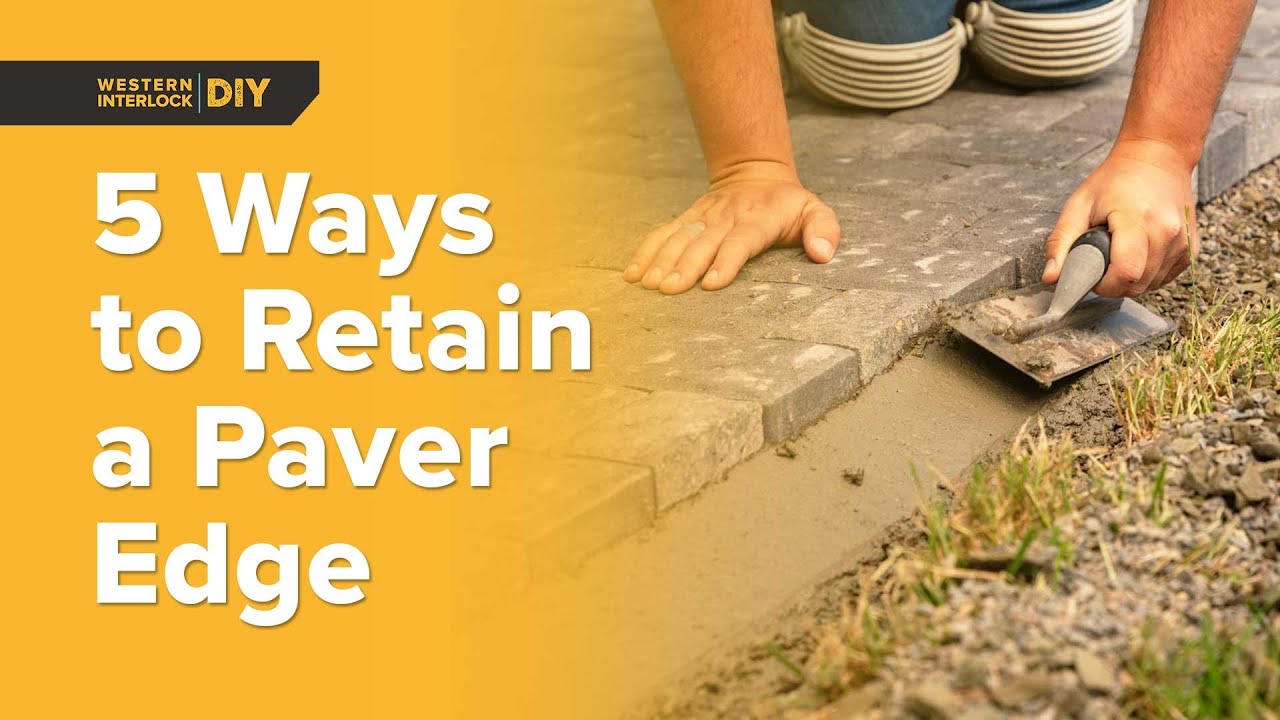
- Create a layout that fits your space.
- Excavate the area where you intend to set the pavers.
- A strong base is essential; normally smashed rock or crushed rock is used.
- This step needs precision-- ensuring placement and spacing.
- Use a plate compactor to set the pavers firmly in place.
- Fill joints with sand or polymeric sand for stability.
- Sealing can improve shade and protect against stains.
Hiring an Expert vs DIY Installation
While numerous house owners fearlessly take on do it yourself tasks themselves, employing a professional paver installer can save time and make certain high quality results:
Advantages of Employing Experts:
Expertise in Material Selection Efficient Installation Time Warranty on WorkmanshipDisadvantages:
Higher total cost Less individual involvement in style choicesFAQs About Interlocking Pavers
1. The length of time do interlacing pavers last?
Interlocking pavers can last over 25 years with proper maintenance!
2. Are interlacing pavers unsafe when wet?
Not always! Many producers provide textured surfaces specifically designed for hold also when wet.
3. Can I mount interlacing pavers myself?
Yes! With some planning and effort, many home owners successfully complete their very https://www.are.na/excellence-landscaping/excellence-landscaping-paver own paving installation projects.
4. Do I require to secure my interlocking paver driveway?
Sealing isn't required but extremely advised as it protects against discolorations and boosts durability.
5. What maintenance do interlacing pavers require?
Regular sweeping and occasional pressure cleaning will certainly keep them looking great!
6. Can I mix various types of interlacing paver materials?
Absolutely! Mixing materials can create unique styles yet make certain compatibility concerning size and shape.
Conclusion
In final thought, "Exploring Different Kinds Of Interlocking Pavers: Which One is Right for You?" exposes that choosing the right kind depends upon numerous elements consisting of use scenarios, spending plan restraints, looks preferences, and whether you choose professional aid or DIY setup techniques! By understanding each alternative's benefits and negative aspects along with properly implementing paving installation techniques-- your exterior location can change right into an amazing functional space that impresses visitors while adding worth to your home!